
How to Price Acreage in Inez TX with Confidence
January 15, 2026
January 15, 2026
Thinking about selling land in Inez and wondering what a fair price per acre looks like? You’re not alone. Acreage pricing can feel confusing because no two tracts are exactly alike. In this guide, you’ll learn how buyers evaluate rural land around Inez, which factors move price per acre up or down, and a simple step-by-step process to set a confident asking price. Let’s dive in.
Being close to Victoria and major roads increases demand. Paved, public road frontage is typically worth more than access by a long private drive or permissive easement. Clear, recorded legal access adds confidence for buyers and lenders. The closer you are to amenities and employment centers, the wider your buyer pool.
Electric at the road, public water nearby, and reliable internet are valuable. These reduce uncertainty and development costs, which supports a higher price per acre. If utilities are not present, buyers often subtract the estimated cost to extend service. Septic and wells are common in rural Inez, but proximity to a public water main can be a meaningful premium for residential buyers.
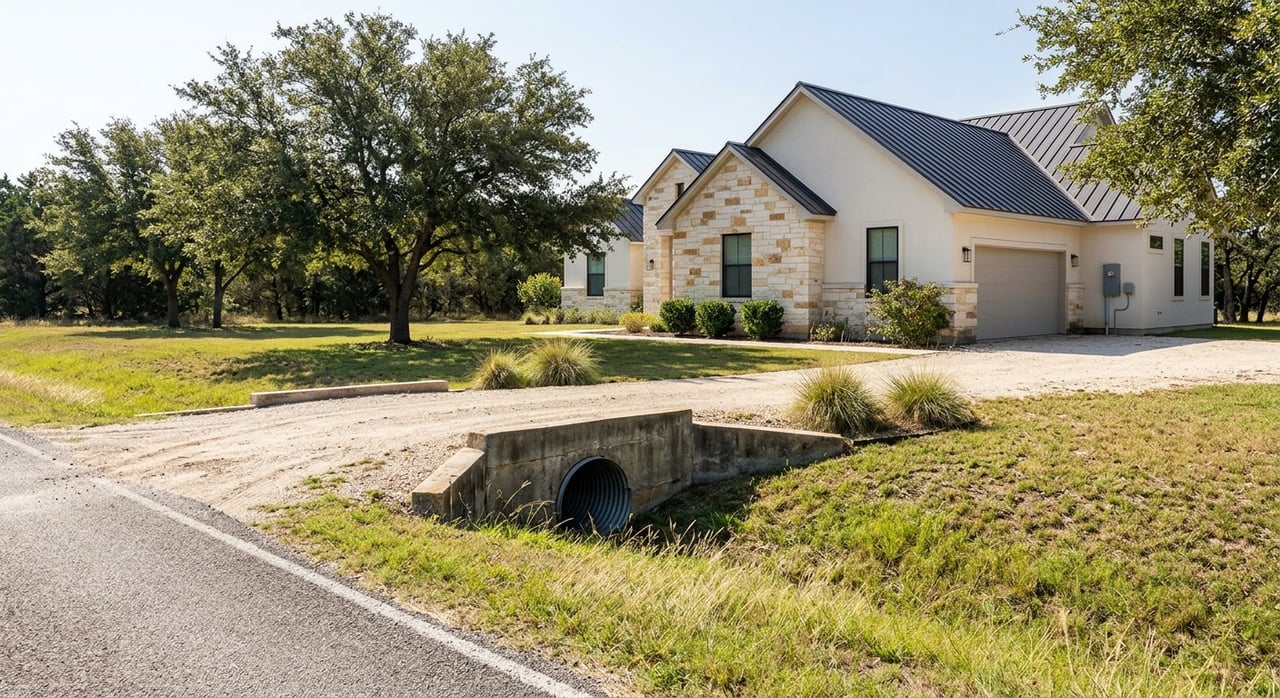
Well-maintained fencing, cross-fencing, barns, working pens, and stock tanks have contributory value. Driveways, culverts, and small bridges that allow year-round access also help. Condition matters. Functional, tidy improvements add value, while neglected structures can be a liability.
Buyers focus on usable, buildable acreage. Heavy flood zones, wetlands, or rights-of-way reduce effective use and value. Productive pasture or cropland soils are worth more than low-productivity sands or heavy clay. Timber can add value for either merchantable harvest or recreational cover.
Parcels in FEMA flood zones see pricing discounts for residential or development use. Drainage and seasonal creeks still matter even outside mapped flood zones, since they can limit build sites and access points. Buyers will evaluate insurability and potential building costs.
Mineral rights status, pipelines, transmission lines, and recorded easements affect utility and value. Clear title with minimal encumbrances is a plus. If minerals are severed or leased, surface use and activity can impact buyer interest.
An agricultural appraisal can lower annual property taxes, which some buyers value. If a new owner changes use, rolling back taxes may apply. Clear documentation of exemptions helps buyers plan for ongoing costs.
Define the property’s likely use before you pick comps. Rural residential buyers prize buildable area and utilities. Agricultural buyers focus on grazing capacity and water. Recreational buyers care about cover, access, and lease potential. Developers evaluate proximity to growth and utility capacity.
For most Inez-area tracts, recent closed sales provide the best read on value. Segment comps by size, location, and use to avoid misleading averages. Within each segment, compute price per acre and then adjust for differences like utilities, usable acres, and improvements.
If your land produces steady income, convert net income to value using market cap rates. Examples include grazing leases, cropland, CRP payments, timber value, or reliable hunting leases. This approach can support or cross-check your comp-based range.
If subdivision or commercial potential exists, estimate total project value, deduct costs, and solve for the residual land value. Use this carefully and cross-check with area land sales to stay grounded in market reality.
Use sales from the last 6 to 18 months when possible. If you must use older comps in a thin market, consider whether prices have moved and adjust accordingly. Document the reason for any time adjustment.
Prioritize closed sales in Victoria County that share the same highest and best use. If you cannot find enough, widen the radius to similar rural markets and explain the location differences. Avoid list prices. Closed sales tell the true story.
Smaller tracts often sell at higher per-acre rates than larger ranches. Adjust for that scale difference. Add value for sites with electric on the road, public water nearby, or internet service. Subtract estimated costs if utilities must be extended.
Paved public frontage is superior to access by easement or private road. Proximity to Victoria and major routes raises demand. Adjust comps up or down to reflect these access and location differences.
If part of a tract is floodplain or otherwise unusable, calculate an effective price per usable acre. This avoids overstating value on land that cannot be built on or grazed. Be explicit about assumptions.
Assign a contributory value to functional fencing, barns, drives, and tanks. Use replacement cost less depreciation when paired sales are not available. Adjust for mineral rights inclusion or severance and any active leases that affect surface use.
For each comp, start with the raw price per acre, then list each adjustment and the reason behind it. Support adjustments with data like soils maps, flood designations, or contractor estimates. Finish with an adjusted price per acre and a reconciled value range.
Ready to price your acreage with clarity? If you want a local, data-backed opinion for Inez or greater Victoria County, reach out to Molly Volek for a no-pressure review of your property and a tailored CMA.
Stay up to date on the latest real estate trends.



Get assistance in determining the current property value, crafting a competitive offer, writing and negotiating a contract, and much more. Contact me today.