Wondering how long your Victoria home will take to sell? You are not alone. Timing your move is one of the biggest questions sellers ask. In this guide, you will learn what Days on Market means in Victoria, how local factors affect speed, and the steps you can take to set a realistic timeline. Let’s dive in.
What DOM Means in Victoria
Days on Market, or DOM, is the number of days between when a property is first listed in the MLS and when it goes under contract. It is a simple way to gauge how quickly homes are selling. Shorter DOM often signals strong buyer demand, while longer DOM can point to price or condition issues.
Use the median DOM to understand typical timelines. Median filters out extreme outliers better than an average. Ask how the local MLS handles relists. Some systems reset DOM when a listing is withdrawn and relisted, while others track cumulative days. Also confirm whether DOM stops at the executed contract date or when the listing is moved to pending status.
In a smaller market like Victoria, a few unique properties can skew the numbers. Look at DOM by price range, property type, and zip code for a fair comparison to your home.
Read Local Speed Indicators
To get a clear picture, review these MLS metrics for your price band and area:
- Median and mean DOM over the last 90 days and last 12 months
- New, active, and pending listings right now
- Months of inventory and absorption rate
- Median list-to-sale price ratio
- Sale-to-original-list-price and frequency of price reductions
- Inventory by price band and property type
Interpret with context. As general guidance, months of inventory under 4 often favors sellers, 4 to 6 is more balanced, and over 6 can favor buyers. List-to-sale price above about 99 percent suggests stronger conditions, while lower ratios can show buyer leverage. In Victoria’s smaller sample sizes, treat these as guidelines and always check recent, local comps.
What Affects Your DOM in Victoria
Price
Price is the biggest driver of DOM. Competitive pricing draws more showings and faster offers. In Victoria, compare price-per-square-foot and active competition in your exact zip code and price band, not just citywide averages.
Condition and presentation
Move-in ready homes tend to photograph better and sell faster. Focus on repairs that matter here: roof and HVAC performance, termite treatment, and drainage. A pre-listing inspection, light staging, and strong photography can reduce time on market.
Marketing and agent execution
Broad exposure, clear positioning, and great media shrink DOM. Professional photos, 3D or virtual tours, and compelling copy matter. For rural or acreage listings, drone photos and clear parcel maps help buyers understand the property before they visit.
Timing and seasonality
Spring often brings more buyers, while late summer and winter can slow activity. Weather and holidays can also affect showings. Consider local school calendars and major community events when planning your launch.
Terms, contingencies, and flexibility
Clean offers are attractive. Fewer contingencies and a flexible closing date can beat a slightly higher price with many strings. As a seller, you can consider options like a rent-back, pre-clearing title items, or offering a home warranty to keep momentum.
Market-level factors
Interest rates, inventory, and employment trends all shape demand. Rising rates can slow buyer activity, while low inventory can speed sales. Keep an eye on current local conditions as you set expectations.
How Long a Sale Typically Takes
There is no one-size-fits-all number, but you can plan with a reasonable range. A common planning rule is 4 to 8 weeks from listing to contract in an active local market, then 30 to 60 days to close, depending on financing. Cash buyers often close sooner, while appraisal, inspection, and insurance steps can add time for financed purchases.
Treat this as a starting point. Your actual DOM depends on your pricing, condition, marketing strategy, and current competition.
A Practical Seller Timeline
- 2 to 8 weeks before listing: request a comparative market analysis, complete pre-list inspections for roof, pest, and HVAC, make targeted repairs, declutter and stage, and prepare marketing assets. Gather key documents like your deed, survey if you have one, tax records, warranties, and any flood insurance paperwork.
- 1 to 2 weeks at launch: list early in the week for maximum exposure, set up showings and an open house plan, and keep showing windows flexible.
- Offer period: review offers as they arrive or set a short review window for high-demand homes to encourage multiple bids.
- Under contract to close: typical Texas closings run 30 to 45 days, but timelines vary by loan type, appraisal, title, and insurance.
Ways to Speed Up Your Timeline
- Complete a pre-inspection and share key findings to reduce surprises
- Price competitively based on fresh local comps and active inventory
- Refresh marketing if momentum slows with new photos or staging tweaks
- Offer practical concessions, such as a credit toward buyer closing costs
- Provide a flexible closing date or short rent-back if buyers need time
- Ensure title and HOA documents are available early
Local Factors to Keep in Mind
- Flood and storm risk: hurricane season can slow showings and closings. Be ready with flood disclosures, elevation certificates, and insurance details if applicable.
- Property age and systems: older roofs, HVAC, or foundation items can lengthen negotiations. Address known issues or price accordingly.
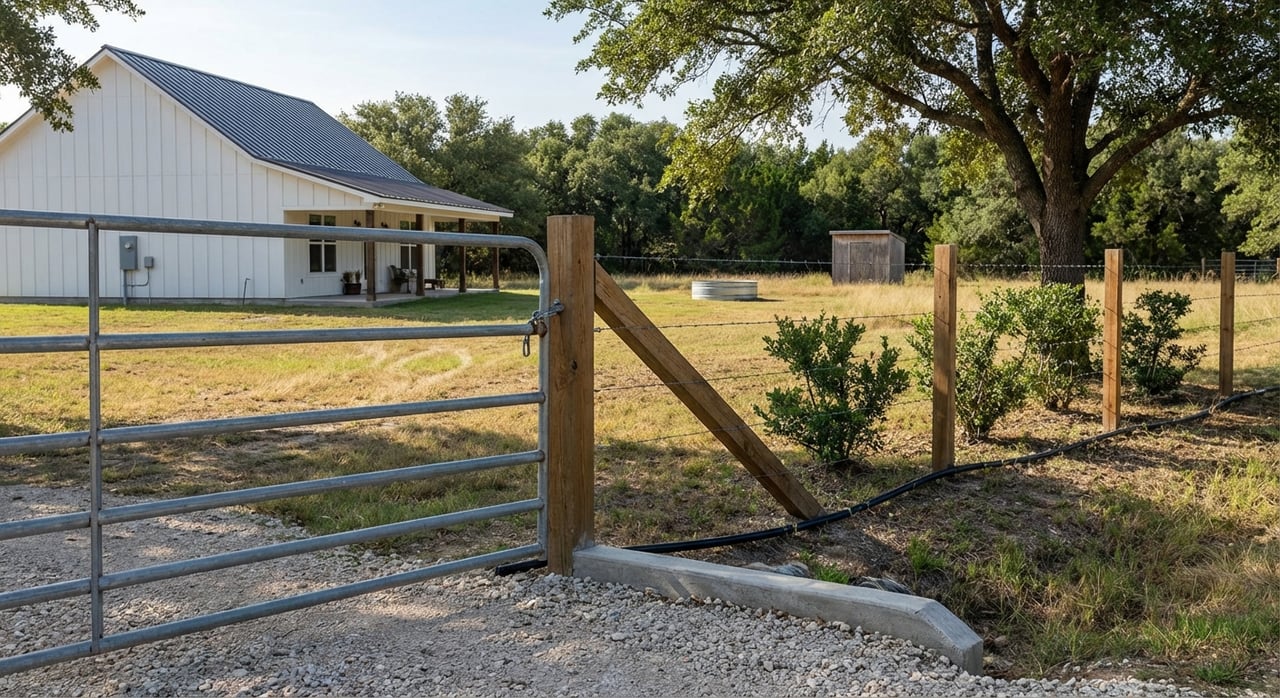
- Rural vs. city listings: acreage and rural properties often draw smaller buyer pools, which can increase DOM. Clear maps, access details, and utility info help buyers decide faster.
- Schools and services: buyer preferences can vary by zone and amenities. Keep information neutral and factual.
- Seasonality: weather disruptions and holidays can temporarily pause activity, so add a bit of buffer to your plan.
Use Victoria Data to Set Expectations
Ask your agent for recent MLS data tailored to your home:
- Pull last 90-day and 12-month stats for your price range, property type, and zip code
- Get median DOM, active listings, monthly sales, median sale price, and list-to-sale ratio
- Compare current month’s new listings to pendings to gauge momentum
- Review how often price reductions occurred and days to first reduction
Two helpful formulas:
- Months of inventory = active listings divided by average monthly closed sales from the last 3 months
- Absorption rate = monthly sales divided by active inventory, where a higher rate usually means faster sales
Smart questions to ask:
- What is the median DOM for homes like mine in my area and price range over the last 90 days?
- How many competing active listings are there, and how long have they been on the market?
- What share of homes in my price band sold at or above list in the last 6 months?
- What local factors, such as floodplain or school zone questions, are buyers raising right now?
Plan Your Move With Confidence
The fastest sales happen when the pricing, presentation, and marketing all work together. With the right prep and a realistic plan, you can control more of your timeline and reduce stress. If you want a clear, data-backed path tailored to your property, connect with Molly Volek for a local market read, a pricing strategy, and a polished listing plan.
FAQs
How long does it take to sell a home in Victoria?
- Plan for 4 to 8 weeks from listing to contract in an active market, plus 30 to 60 days to close, then adjust based on your price, condition, and current competition.
What is the best season to list in Victoria?
- Spring often brings more buyer activity, but your personal timing, needed repairs, and interest rate trends may matter more than a slight seasonal edge.
What if my house sits on the market longer than expected?
- Revisit price, presentation, and marketing, consider a pre-inspection or updated photos and staging, and discuss a targeted price adjustment or buyer incentives.
How do hurricane season and flood risk affect selling?
- Weather watches can slow showings and closings, so disclose any flood history, have elevation and insurance info ready, and consider timing away from peak storm months if possible.
What is months of inventory and why does it matter?
- Months of inventory shows the balance of supply and demand, where lower months often mean faster sales and higher months can point to longer DOM and more buyer leverage.
What is the difference between median and average DOM?
- Median DOM shows the middle of the pack and is less affected by outliers, while average DOM can be skewed by a few very fast or very slow sales.