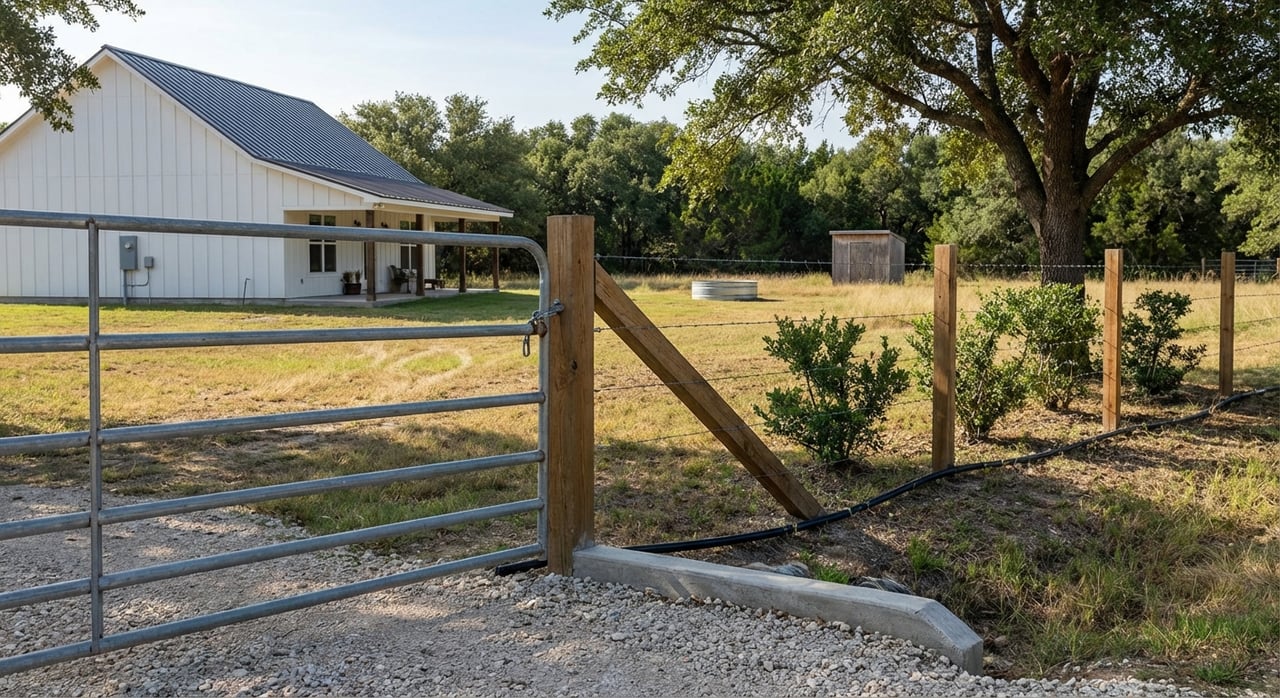
Looking for a few acres near Nursery where you can spread out, add a workshop, or plan a future home? Buying small acreage in this part of Victoria County is exciting, but it comes with details you do not want to miss: legal access, utilities, wells, septic, and flood or soils constraints. In this guide, you will learn how to verify the basics, structure smart contingencies, and size up value like a local. Let’s dive in.
Why Nursery small acreage is different
Nursery is an unincorporated community in Victoria County, which means you should not assume city zoning or city utilities just because the property lists “Nursery” as the address. For quick context on the community, see the overview of Nursery, Texas.
Because there is no single zoning map that covers all rural parcels, you need parcel-by-parcel checks. Deeds, plats, and easements are recorded with the Victoria County Clerk. Tax and ownership details live with the Victoria County Appraisal District (CAD). If the property might be near the City of Victoria, verify platting rules and whether it sits in the city’s ETJ using the city’s Platting information.
First checks: online and phone
Start with quick, no-cost research. In the first one to three days, you can confirm the biggest make-or-break items.
- County Clerk: Pull the deed, any recorded access easements, and plats that show road dedication. Use the county clerk’s records.
- Victoria CAD: Confirm parcel ID, acreage, exemptions, and recent sales indicators through the CAD property search.
- Flood maps: Check whether the parcel touches a Special Flood Hazard Area with FEMA’s Flood Map Service Center.
- Utilities: Call to confirm who serves the area and what it costs to extend service. Use the Victoria area public utilities directory to find providers.
Access and easements
Legal access affects value, financing, and your future use. Do not rely on “the neighbor lets us pass” or a visible dirt track.
- Confirm a deeded connection to a public right of way, a recorded easement to a public road, or access shown on a recorded plat.
- Identify whether the road is county maintained, TxDOT maintained, or private. If it is private, ask for any road maintenance agreement and who pays.
- Order a current survey and have title review all access language during your option period.
Utilities and services
Electricity and communications
In rural Victoria County, power is often provided by cooperatives or regional utilities. Before you budget improvements, call to confirm the serving utility, whether a pole or meter exists, and typical costs to extend single-phase or three-phase power. Use the chamber’s public utilities directory to locate providers.
Expect to use propane where no natural gas main exists. Ask about timelines for new service so you can plan your construction or move-in.
Water and wells
Many small-acreage tracts rely on private wells. The Victoria County Groundwater Conservation District requires notice of intent to drill and sets rules for well registration. Review the seller’s well log, any pump test results, and recent water-quality tests, and confirm requirements with the Victoria County GCD.
Septic systems (OSSF)
On-site sewage systems are permitted and regulated under Texas’s OSSF program. During your option period, get a licensed OSSF professional to locate and inspect the system, review permits, and confirm it fits your planned bedroom count. For guidance on permits and system types, see the TCEQ OSSF pages.
Flood, soils, and buildable area
Flood zones can change your building plan and your insurance budget. Pull a FIRMette early using FEMA’s Flood Map Service Center and note any AE or A zones or floodway.
Soils and topography shape your septic design, site prep, and drainage. Run a soils lookup and, if needed, hire a site evaluator or engineer to test percolation and advise on earthwork. If parts of the property are marshy or low, think in terms of usable acres and adjust your building envelope.
On-the-ground due diligence
Survey and title review
Ask for an up-to-date survey to confirm boundaries, acreage, and any fence encroachments. Have the title company or your attorney review all easements and exceptions and resolve access questions before your option period ends.
Well and septic inspections
Plan a well pump test and water-quality panel. Confirm the well is properly registered with the Victoria County GCD. For septic, hire a licensed OSSF pro to inspect tanks and drainfields and to verify permitting with the TCEQ OSSF guidelines.
Environmental red flags
Note any signs of oil and gas activity, prior pits or landfills, or wetlands. If present, budget for specialty inspections before you waive contingencies.
Valuing small acreage in Victoria County
For small-acreage lifestyle parcels, the sales-comparison approach is usually the best way to establish value. Appraisers emphasize recent, local comps and reasoned adjustments for size, access, utilities, improvements, and usable area. For a refresher on the process, review the Appraisal Institute’s overview of basic appraisal procedures.
When you and your agent pull comparables:
- Compare both price per acre and total price for similarly sized tracts. Very small parcels often command a higher per-acre price.
- Adjust for access: paved public frontage vs. private or limited access can be a major value factor.
- Adjust for utilities: grid power at the road, established well, and a permitted septic system usually support stronger pricing.
- Consider usable acres: if a portion lies in floodplain or is not buildable, compare on a per-buildable-acre basis.
- Use verified closed sales from the Victoria CAD and local MLS data through your agent for the most current picture.
Timeline and offer terms
A clear plan helps you move fast without skipping essentials.
- Days 0 to 3: Pull deeds and easements from the county clerk, check the parcel on Victoria CAD, run FEMA flood maps, and call utilities.
- Days 3 to 10: Schedule survey, well test, and septic inspection. If you cannot schedule before offer, write your offer to allow these during the option period.
- Option period (often 7 to 14 days in rural deals, but negotiable): Complete all inspections and title review, confirm costs to extend utilities, and finalize insurance quotes.
- Before closing: Resolve title exceptions, confirm any required filings (like septic permits), and verify access language in final documents.
Include contingencies in your contract for survey results, well and septic inspections, title exceptions, and your ability to obtain insurance and financing. Clarify who pays to locate septic lids or pump tanks if needed.
Quick buyer checklist
- Confirm legal access in writing: deed, recorded easement, or plat.
- Call electric and water providers about availability, extension costs, and timelines.
- Request the seller’s well log, pump test, and recent water-quality results.
- Order a septic inspection and verify permitting with the local OSSF authority.
- Run a FEMA flood map and review soils to define the buildable area.
Who to call and what to ask
- County clerk or title company: “Is there recorded deeded access to a public road, and are there any road maintenance agreements or covenants?” Use the county clerk’s office as your records hub.
- Victoria CAD or your agent: “Show the last five closed sales of similar acreage nearby and confirm any agricultural special appraisal.” Check the CAD portal.
- Electric utility: “Who serves this parcel, do poles or meters exist, and what are typical costs and timelines for extension?” Find providers via the utility directory.
- Well driller or GCD: “What notice or registration is required for a new well?” Confirm with the Victoria County GCD.
- OSSF professional: “Is there a permit on file and will the current system support my planned home?” Start with the TCEQ OSSF guidance.
- Insurance agent: “If the map shows an AE or A zone, what might premiums look like and what elevation steps are needed?” Check flood zones with FEMA’s map center.
Buying in Nursery should feel practical and exciting, not uncertain. With the right checks and a clear plan, you can protect your budget, your timeline, and your future build. If you are weighing options or want a local set of eyes on a specific tract, reach out to Molly Volek for a straightforward, step-by-step plan.
FAQs
What does “unincorporated” mean for Nursery land buyers?
- Nursery is not a separate city, so there is no blanket city zoning or city utilities; verify rules and services parcel by parcel using county records, CAD data, and utility providers.
How do I confirm legal access to a Nursery-area tract?
- Ask for a deed, recorded easement, or a recorded plat showing access to a public right of way, then have your title company verify through the Victoria County Clerk.
Are private wells allowed and what permits apply in Victoria County?
- Many properties use private wells; drillers must provide notice and wells must be registered per the Victoria County GCD, so confirm requirements before drilling.
How does septic permitting work for rural Victoria County properties?
- Most new or modified systems need permits and approved plans; hire a licensed OSSF professional and review local requirements through the TCEQ OSSF program.
How can I check flood risk before buying acreage near Nursery?
- Search the parcel at FEMA’s Flood Map Service Center and review any AE or A zones or floodway that could affect building elevation, insurance, and lender requirements.
What is the best way to estimate fair price for small acreage in Victoria County?
- Use recent local sales and make reasoned adjustments for access, utilities, improvements, and usable area; see the Appraisal Institute’s basic procedures for how appraisers approach comps.