
How to Sell Acreage in Inez TX With Less Stress
May 21, 2026
May 21, 2026
Thinking about selling your Inez acreage? Land can attract serious interest, but rural properties also come with more moving parts than a typical home sale. If you want buyers to feel confident and move faster, it helps to prepare the tract, organize the paperwork, and present the property in a way that makes it easy to understand. Let’s dive in.
Inez is a rural tract market in Victoria County, and that changes what buyers focus on first. Instead of just asking about square footage or finishes, buyers often want to know about access, boundaries, utilities, floodplain status, and land use details.
That local context matters because county standards and property records play a big role in how acreage is reviewed. Victoria County points owners in unincorporated areas to county standards for floodplain, sanitation, and on-site sewage facilities, so due diligence is a key part of getting a tract ready to list.
Before you gather documents, make the land easier to read in person. A buyer walking an acreage tract should be able to quickly understand where they are entering, what areas are usable, and how the property lays out.
Victoria CAD says land value analysis considers things like access, view, shape, size, and topography. Its reappraisal plan also notes the use of maps, aerial photography, digital photos, and field inspections, which is one reason a neat entrance, visible fence lines, and clear open areas can help your property make a stronger first impression.
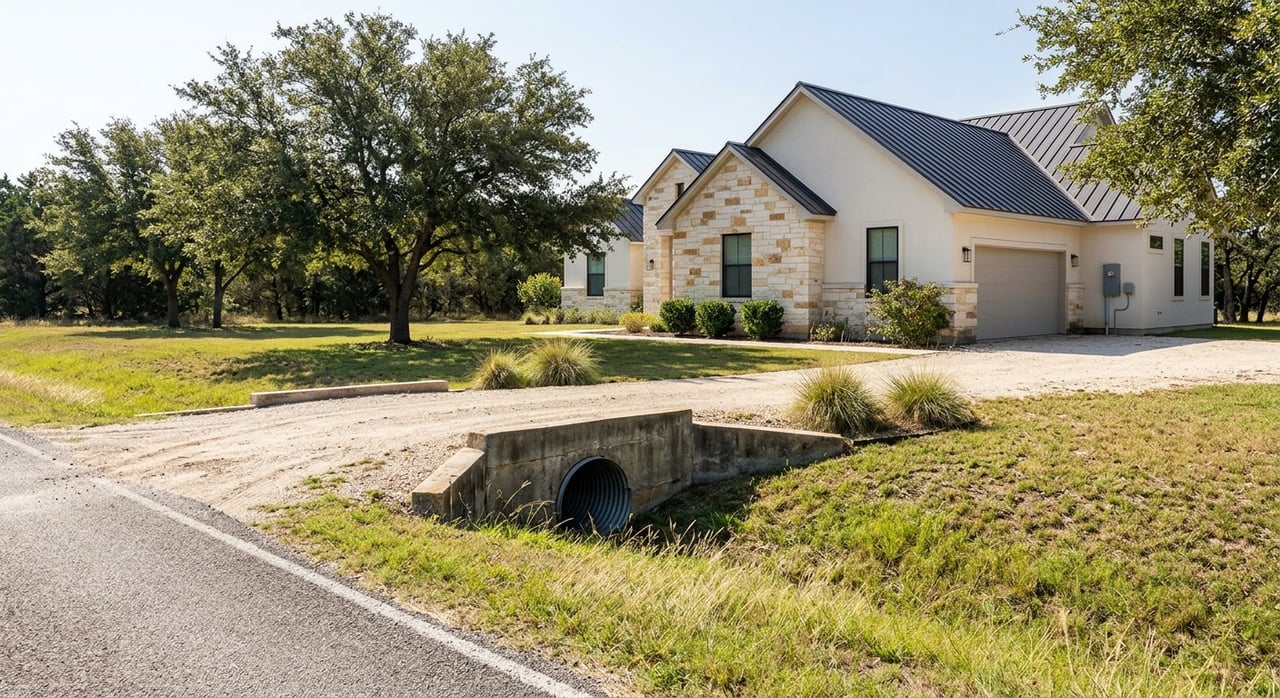
Your entrance sets the tone for the whole showing. If the gate is hard to find, overgrown, or difficult to use, buyers may assume the rest of the property will be the same.
Focus on simple improvements that make access feel clear and manageable:
Acreage buyers want to understand the land without guessing. If fence lines are hidden by brush or corners are unclear, it can create confusion early in the process.
You do not need to over-improve raw land, but it helps to make the tract easier to interpret. Clearing light overgrowth along visible fence lines or around key areas can help buyers better see the shape and usable portions of the property.
Every acreage tract has features that matter more than others. That could be a homesite area, pasture, driveway approach, shade trees, or an improved section near utilities.
When those areas are visible, buyers can picture how they might use the property. That clarity supports stronger marketing and more productive showings.
One of the most helpful things you can do before listing is pull together current boundary and access information. Rural property questions often start with where the lines are, how the tract is accessed, and whether any easements affect use.
Victoria County’s OSSF application packet says owners should obtain a plat or survey if a plat is not available, and it should note boundaries, easements, and rights-of-way. The packet also asks for a map or directions to the site and floodplain certification when applicable, which shows how important these items are in county-level review.
Try to gather these before your property goes live:
If you do not have a recent survey, it is smart to identify that early. Missing boundary information can slow buyer conversations, title review, and negotiations.
If your Inez acreage has utility-related improvements, buyers will likely ask about them right away. Septic systems and private wells can be valuable features, but only when the paperwork is clear and easy to share.
Victoria County’s OSSF packet requires items such as soil and site evaluation, design plan, floodplain certification, and related forms for review. The county also states that a floodplain development permit is required for residential, commercial, or OSSF development in a floodplain.
For a seller, the practical takeaway is simple: if the tract has a septic system, keep all related OSSF records together. That can help answer buyer questions faster and reduce delays when due diligence begins.
If the property has a private well, gather any registration or related records you have. The Victoria County Groundwater Conservation District says it registers wells to maintain an inventory and advises owners to keep a copy of any registration application.
Even if a buyer plans to do additional research later, having your well paperwork ready shows that you have taken the property seriously. It also makes your listing packet more complete.
Floodplain issues are not necessarily deal breakers, but they should be understood early. Buyers want to know whether floodplain rules may affect use, improvements, or future plans for the property.
Victoria County specifically references floodplain standards for owners in unincorporated areas, and its OSSF packet calls for floodplain certification when applicable. If your tract includes floodplain area, having that information ready can make your marketing more accurate and your buyer conversations smoother.
Pricing acreage without understanding its tax setup can create problems later. Buyers may ask whether the land has agricultural or open-space appraisal, and that can affect how they view carrying costs and future use.
The Texas Comptroller says qualified agricultural or open-space land is appraised on productivity value rather than market value when it meets the required use, intensity, and history standards. That same source says a change to non-agricultural use can trigger rollback tax for the previous three years, and owners with 1-d land can also owe interest when the property is sold or ag use stops.
Before you settle on a pricing strategy, confirm:
This does not mean you need to predict a buyer’s tax outcome. It does mean you should understand your property’s current status so you can present it clearly.
Acreage listings usually perform better when buyers can understand the property from the first look. That means pairing good visuals with practical documentation.
Victoria CAD says its GIS system maintains cadastral maps and aerial photography, and its reappraisal process uses aerial images and digital photos. Because vacant land is often analyzed with maps, visuals, and comparable sales data, your listing should make it easy to see the tract from both the ground and the air.
For many Inez acreage listings, the most useful visuals include:
These visuals help buyers understand layout, condition, and potential before they ever step on the property. They also support better conversations with appraisers, title companies, and interested buyers.
One of the best ways to reduce friction is to organize your information into one simple packet. When questions come up, you can respond quickly instead of digging through old files.
Based on county and appraisal sources, a practical acreage seller packet should include:
This kind of preparation does not just help with marketing. It can also support appraisal, title review, and buyer confidence.
When your Inez acreage is cleaned up, documented, and clearly presented, buyers spend less time guessing. They can focus on whether the property fits their goals instead of chasing basic information.
That often leads to better showings, fewer avoidable questions, and a more organized path from listing to closing. In a rural property sale, clarity is one of your biggest advantages.
If you are getting ready to sell acreage in Inez, having a local, process-driven plan can make a big difference. For help preparing your land, organizing the right details, and marketing it with professional presentation, connect with Molly Volek.
Stay up to date on the latest real estate trends.






Get assistance in determining the current property value, crafting a competitive offer, writing and negotiating a contract, and much more. Contact me today.