Buying Acreage in Inez: A Smart Buyer’s Checklist
July 2, 2026
July 2, 2026
Buying acreage near Inez can feel simple at first glance. If the tract has the right number of acres and a good location off U.S. 59, it is easy to picture your plans taking shape. But in Victoria County, rural land value often depends just as much on access, water, septic, drainage, title, and tax treatment as it does on size alone. This checklist will help you focus on the issues that matter most before you buy, so you can move forward with more clarity and fewer surprises. Let’s dive in.
Inez is about 15 miles northeast of Victoria on U.S. 59, and the area has long been tied to ranching and grain farming. That rural setting is a big part of the appeal for buyers who want more space, flexibility, or land for agricultural use.
At the same time, acreage purchases usually come with more moving parts than a typical in-town home purchase. Before you make an offer, you want to know not just what the property looks like today, but what you can legally access, build, permit, and maintain over time.
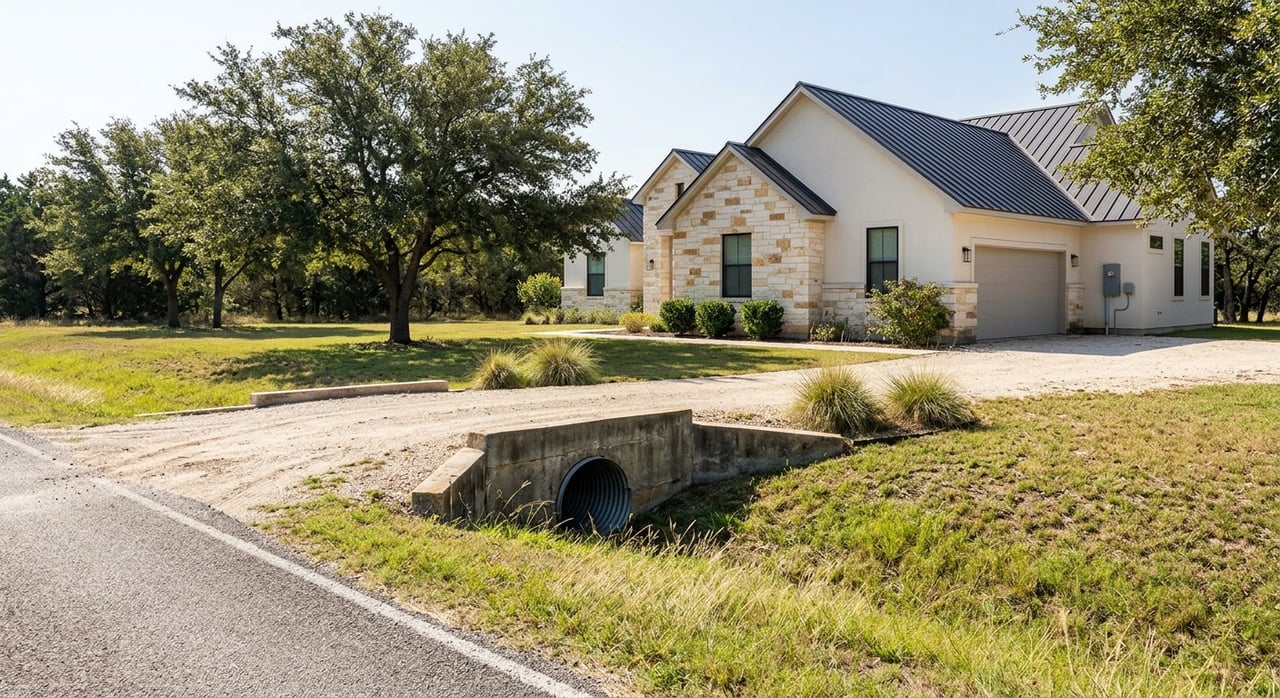
One of the first questions to ask is whether the tract fronts a public road, uses a private road, or connects to a state highway. Victoria County notes that many roads in the county are not county-maintained, which means upkeep may fall to nearby owners or a homeowners association.
That matters because road maintenance can affect your cost, convenience, and long-term use of the property. A pretty tract can become a harder purchase if access is unclear or if the road arrangement is informal.
If the property touches a state highway, driveway access may be subject to TxDOT rules. Those standards can affect permits, driveway design, and whether a shared driveway setup makes more sense.
This is especially important if you plan to build a new home or improve the entrance later. It is better to understand access requirements before closing than to learn about them after you own the land.
Acreage lines are not something you want to guess about. Review the recorded deed, any easements, and other title documents in the county deed records to understand what is included and what rights others may have across the property.
This step can also reveal access easements, utility easements, or older reservations that affect how the land can be used. Clear boundaries on paper help you avoid expensive confusion later.
If you think you may divide the property in the future, review Victoria County’s Development Standards Manual before you buy. The county requires plats for many subdivisions, while certain larger tracts and agricultural uses may qualify for exemptions.
Even when a tract is exempt, the county requires an exemption form. If the property stops meeting the exemption conditions later, it may fall back under platting rules.
Even if you plan to keep the acreage intact, future flexibility can still matter. A tract that is easy to divide, transfer, or reconfigure may hold different long-term value than one with tighter development limits.
That does not mean one property is always better than another. It just means you should match the tract to your goals before committing.
Do not assume water service is available just because nearby properties are improved. Use the Texas Water Development Board’s Water Service Boundary Viewer and TCEQ water-source information to confirm whether a public water system serves the tract.
If the property is not in a service area, possible water sources may include drilling a well, purchasing water, or hauling water. Each option has different costs and practical tradeoffs.
Groundwater production in Victoria County is regulated by the Victoria County Groundwater Conservation District. The district oversees groundwater production, well registration, and permitting, and its rules address well spacing and production limits.
As of June 12, 2026, the district also posted a temporary moratorium on processing certain high-capacity and deep-saline non-historic-use permit applications. If your plans involve a larger well, verify the current rules before you rely on that water source.
Rural land can require more planning for power and other services than buyers expect. While the research here centers mainly on water and septic, the bigger lesson is simple: verify service feasibility early and build those realities into your budget.
A lower purchase price does not always mean a lower total cost to get the property ready for use. Utility planning is part of the real purchase decision.
In rural Victoria County, septic is a major due diligence item. Victoria County Public Health requires OSSF applications to follow the county packet and TCEQ rules, and the county requires a licensed site and soil evaluator.
That is because soil and site conditions help determine what type of system can be installed. In other words, septic feasibility is based on the actual land conditions, not just your preference.
Not every tract will support the same type of septic setup. Depending on the soil, drainage, and layout, one property may be much easier and less expensive to develop than another.
This is why septic should be confirmed before closing, not treated as a task for later. If your intended homesite will need a more complex system, you want to know that upfront.
FEMA’s Flood Map Service Center is the official public source for flood hazard information. If a property falls within a Special Flood Hazard Area, that can affect building plans and may require flood insurance for government-backed mortgages.
This step is especially important with acreage because a tract may have both usable high ground and lower areas that come with restrictions. Looking at the whole parcel is not enough. You need to think about the specific building area too.
Victoria County floodplain permit materials show that site conditions can affect what is needed before development. Depending on the project, the county may require items such as an elevation certificate, topographic survey, engineer- or surveyor-sealed statements, or floodway certifications.
That can affect where you place the home, driveway, fill, and septic field. A tract may look buildable at first glance but still require added documentation or design changes.
A low-looking tract is not automatically a bad buy. But if drainage appears weak, it makes sense to estimate engineering or mitigation costs before you move forward.
Early pricing helps you compare properties more accurately. It can also keep you from overpaying for land that needs more work than expected.
If you are counting on agricultural valuation, confirm the property’s history instead of assuming it will transfer automatically. Victoria Central Appraisal District’s 2026 ag guidelines say the land must be principally devoted to agricultural use, managed to the district’s degree of intensity, and used that way for 5 of the last 7 years.
The district also states that hobby farming and incidental hay baling do not qualify. That makes the existing use pattern a key part of your evaluation.
The Texas Comptroller explains that open-space agricultural appraisal is based on productivity and income methods rather than market value, using Form 50-129 as the application. Victoria CAD’s current guidelines say applications should be filed between January 1 and April 30, and late filings may bring penalties.
For buyers, the practical point is simple: tax treatment should be verified, documented, and timed correctly. It should never be treated as a given.
Victoria Central Appraisal District is responsible for appraising property in Victoria County. When you evaluate the asking price, consider whether the tract is being valued on market value or productivity value, along with any added cost tied to access, water, septic, drainage, or title cleanup.
That bigger picture helps you judge whether the price really matches the property’s usable value. Acreage decisions are rarely just about the number of acres.
In Texas, the surface estate and mineral estate are separate, and the mineral estate is dominant. Mineral interests may have been reserved or severed long before the current sale, so the chain of title matters.
The Railroad Commission notes that mineral lease rights can include surface access, roads, pipelines, and water use. That means mineral history can affect how the property functions even if you are buying it for residential or agricultural use.
The General Land Office notes that mineral ownership is traced through deed and lease records. For raw acreage, that makes title review especially important.
You want to know whether mineral reservations, older easements, or oil-and-gas activity could affect your plans. These details do not always stop a purchase, but they should be understood before you buy.
Before you make an offer on acreage in Inez, work through this short list:
The best acreage purchases usually come down to clear answers, not just good impressions. In Inez, a tract’s value depends on what can be legally accessed, watered, permitted, drained, and used, not just how many acres are on the survey.
If you take the time to verify these details before you buy, you will be in a much stronger position to compare properties, negotiate confidently, and avoid surprises after closing. If you are considering acreage in Inez or anywhere around Victoria County, Molly Volek can help you evaluate the local details and move forward with a clear, practical plan.
Stay up to date on the latest real estate trends.






Get assistance in determining the current property value, crafting a competitive offer, writing and negotiating a contract, and much more. Contact me today.