Cuero TX Rental Property Guide for Smart Buyers
May 7, 2026
May 7, 2026
Buying a rental in a small Texas market can look simple at first glance, but the numbers and risks can shift fast once you zoom in. If you are thinking about investing in Cuero, you need more than a general real estate rule of thumb. You need a realistic view of local rents, property costs, demand, and the extra questions that come with Texas ownership. This guide will help you think through the big issues before you buy so you can move forward with more clarity. Let’s dive in.
Cuero is not a large metro where broad averages tell the whole story. It is a smaller DeWitt County city with an estimated population of 8,215 as of July 2024, and that smaller size matters when you evaluate a rental property. In a market like this, each street, block, and property condition can have a bigger impact on performance.
The local housing picture also suggests a relatively settled market. The owner-occupied housing rate is 62.3%, and 84.5% of residents lived in the same house one year earlier. That can point to stability, but it also means you should not assume constant renter turnover or easy absorption just because a property is available.
One of the most important numbers in Cuero is the median gross rent: $903. That is well below the Texas median gross rent of $1,403, which is a good reminder that statewide averages can distort your expectations. If you base your investment plan on higher metro-style rents, your numbers may not hold up.
Local income matters too. Cuero’s median household income is $56,480, compared with $78,476 statewide. In practical terms, that means your rent target needs to fit what local households can reasonably support, not just what an online calculator says a property should earn.
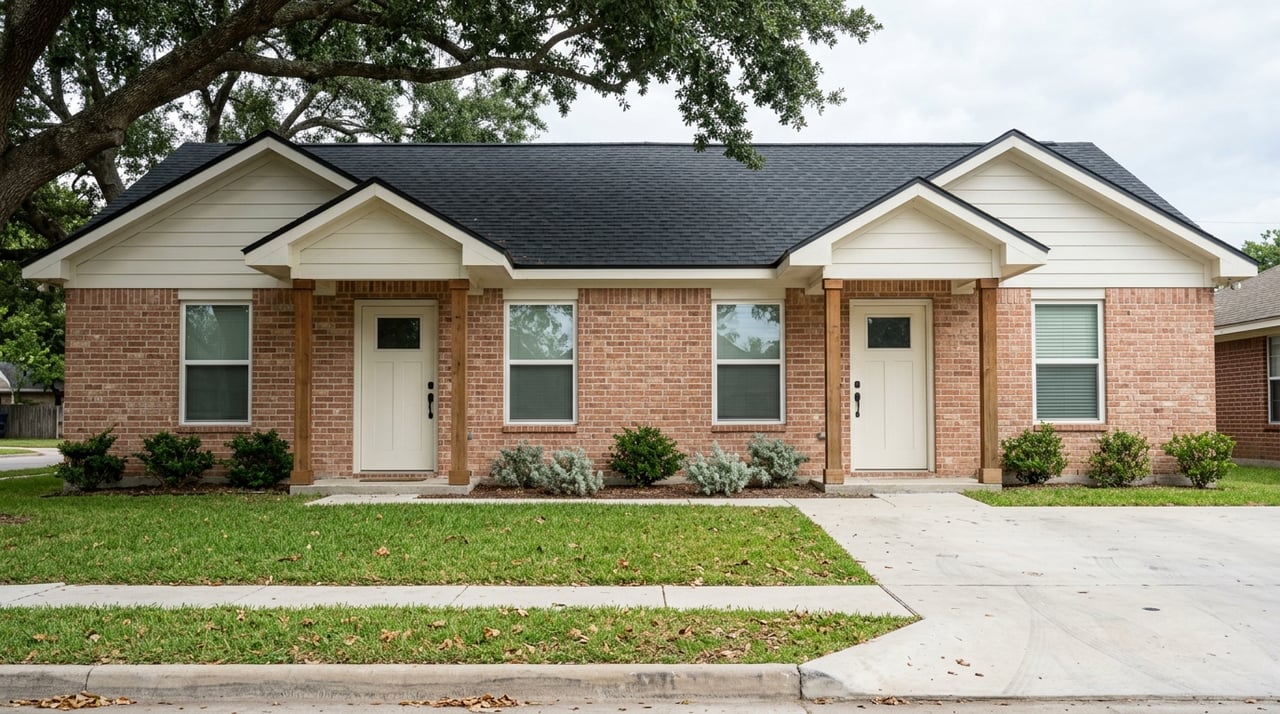
In Cuero, the most practical rental options are often modest single-family homes, small duplexes when available, and rural houses or parcels that need more review. These property types line up better with the scale and character of the local market. They also tend to attract renters looking for functional housing rather than luxury inventory.
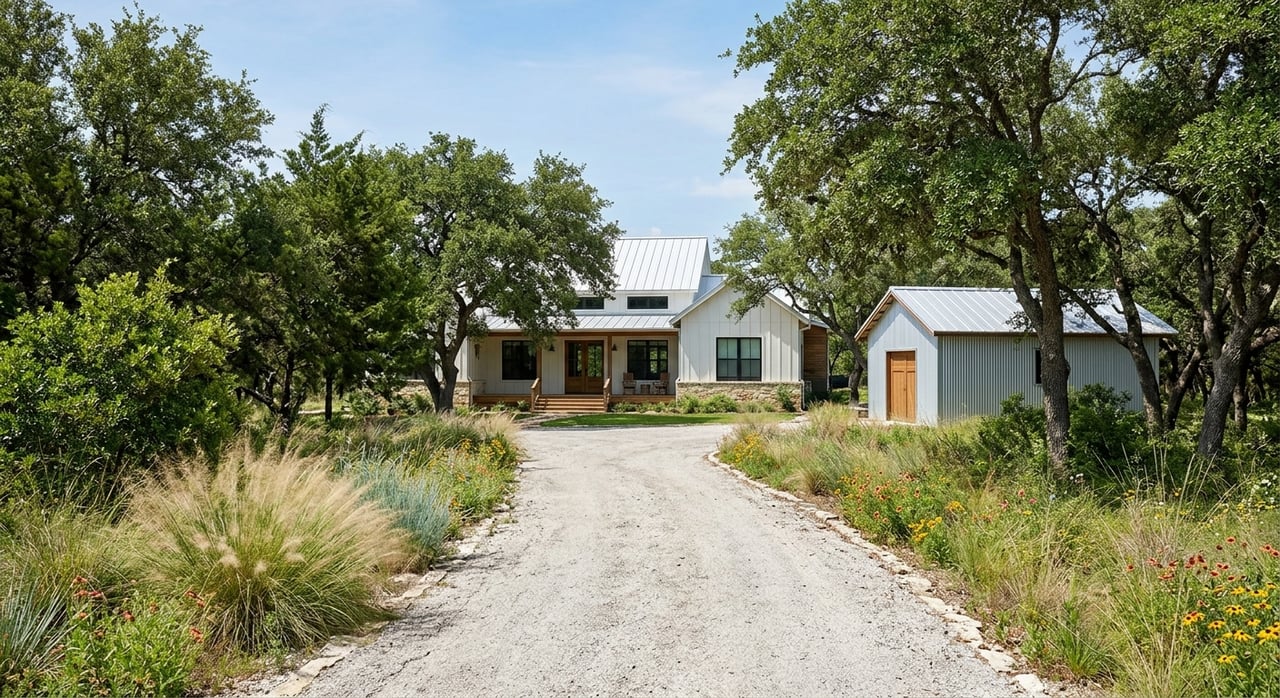
If you are considering acreage or a home outside the more built-up parts of town, your due diligence needs to go deeper. Utility access, septic systems, road access, and land-use details can all affect cost, insurance, maintenance, and long-term usability. A property that looks affordable up front can become much more expensive if these basics are not clear before closing.
Rental demand in Cuero is tied to local jobs and nearby regional services. Cuero has more than 4,500 employed workers and 367 local businesses, with healthcare and social assistance, public administration, retail trade, food and accommodation, and educational services among the larger industry groups. Major employers highlighted locally include Cuero Regional Hospital, the City of Cuero, H-E-B, Walmart, and Cuero ISD.
Cuero also benefits from its connection to the broader region. Victoria is described by the City of Victoria as a regional center for business, educational, medical, entertainment, and shopping services. That can support renter demand from people who live locally, work nearby, or commute within the region.
Still, this is not a deep, endless renter pool. Demand may be steady, but it is more localized and property-specific than in a major city. A clean, well-located home may perform very differently from another property just a short distance away.
Before you buy, verify rents using current comparable rentals in Cuero, not just automated estimates. In a smaller market, a handful of listings can skew the picture quickly. That is why street-level and neighborhood-level rental data matters so much.
You will want to ask what similar homes are actually renting for, how long they stay vacant, and what features tenants expect at that price point. A local property manager or someone active in the market can help you compare like with like. That step can protect you from overestimating income and underestimating vacancy.
A stable market can be a positive sign, but it also means you should not make casual assumptions about occupancy. Cuero’s high same-house rate suggests many residents stay put. For an investor, that means some rentals may do well for years with the right tenant, while others may sit longer if they are overpriced or not well positioned.
Run your numbers with a vacancy cushion instead of assuming full occupancy all year. It is also smart to budget for tenant turnover costs such as cleaning, repairs, lawn work, and leasing time. In a smaller market, one vacancy can affect your annual return more than you might expect.
Rent is only half the story. A strong rental purchase depends on how well you account for recurring costs, including property taxes, insurance, maintenance, vacancy, management, and reserves for larger repairs. These expenses can change the math quickly, especially if you are comparing Cuero to markets with higher rent levels.
Maintenance and reserve planning are especially important for older homes and rural properties. Even if a property is livable today, future repairs to roofing, HVAC, plumbing, fencing, or access areas can reduce cash flow. A deal that looks good on paper needs enough margin to absorb the normal realities of ownership.
Texas has no state property tax, but local property taxes can still be a major ownership expense. Local taxing units set rates, and the county appraisal district plays a key role in determining appraised value, exemptions, taxable owner, and taxable address. For a Cuero rental, this means your tax estimate should be based on local information, not a seller’s past bill alone.
This is especially important because a rental usually will not qualify for the general residence homestead exemption. That exemption requires the owner’s principal residence. If you are converting a property from owner-occupied use to rental use, the post-closing tax picture may look different.
You should also ask the DeWitt County Appraisal District whether the parcel has any special appraisal or exemption history that could affect future taxes. If the property includes acreage under agricultural appraisal, a change in use could trigger rollback taxes. That question is easy to miss and important to understand before you close.
Insurance should not be treated as a last-minute item. DeWitt County’s hazard mitigation plan identifies severe weather, floods, and wildfires as risks that can affect life and property. Those risks can influence both insurance cost and property suitability.
Before you commit to a purchase, ask your insurance agent for a realistic quote based on the actual property. You may find that location, construction type, outbuildings, or rural access changes the premium more than expected. If the numbers only work with an unrealistically low insurance estimate, that is a warning sign.
If you plan to own a rental in Cuero, you also need to understand some basic Texas landlord obligations. Under Texas Property Code Section 92.052, a landlord must make a diligent effort to repair or remedy certain conditions that materially affect a tenant’s health or safety. That makes repair systems and response times an operational issue, not just a customer-service choice.
Texas law also sets out rules that matter if a tenancy goes sideways. Section 24.005 requires written notice to vacate before an eviction suit, generally at least 3 days unless the lease provides otherwise. Section 92.104 requires a written description and itemized list of deductions when a security deposit is retained, unless the tenant still owes rent and there is no controversy about the amount owed.
These rules are one reason many investors benefit from strong systems and professional support. A property manager, attorney-reviewed lease, and clear records for repairs, notices, and deposits can reduce mistakes and protect your investment.
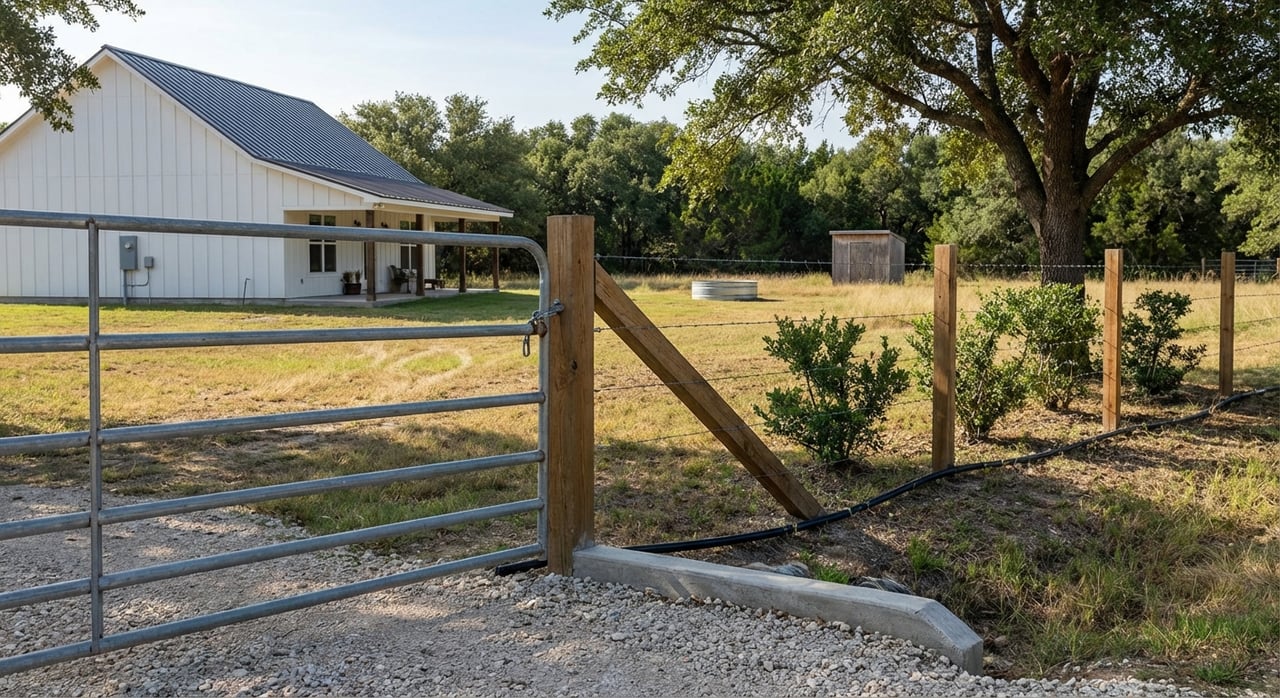
Some of the most appealing opportunities around Cuero may involve rural homes or land. These properties can offer flexibility and value, but they also require more detailed review than an in-town house on city utilities. You need to confirm how the property is served and whether that setup fits your rental plan.
At a minimum, review questions about utilities, septic, legal access, and land use. If acreage is involved, ask how the land has been used, whether any special appraisal applies, and what changes could affect taxes or operations. Small oversights in rural transactions can become expensive after closing.
A good rental purchase is rarely a solo project. Before you decide whether a Cuero property works as an investment, it is smart to speak with a lender, tax professional, insurance agent, and property manager. Each one can help you test a different part of the deal.
This kind of team matters even more in a smaller market where broad assumptions can miss the local reality. You want local feedback on rent levels, vacancy risk, repair expectations, tax changes, and insurance costs. Better information up front usually leads to better decisions later.
The best rental buys in Cuero are usually not the ones with the flashiest online numbers. They are the ones where you understand the rent ceiling, local demand, tax picture, hazard exposure, and operating plan before you close. In a stable, smaller market, careful due diligence can make the difference between a steady asset and a frustrating surprise.
If you are weighing a rental purchase in Cuero and want a local perspective on the property, area, or next steps, Molly Volek can help you approach the decision with practical insight and a clear process.
Stay up to date on the latest real estate trends.





Get assistance in determining the current property value, crafting a competitive offer, writing and negotiating a contract, and much more. Contact me today.